at a glance
Client: Hampshire County Council
Programme: Food Labs
Role: Navigating Delivery
Focus: Youth-informed programme design | Improving population health | Training and Facilitation
the ask
Hampshire County Council commissioned Food Labs in response to rising childhood obesity, high consumption of ultra-processed foods and local research highlighting growing concern among families about ‘picky’ or ‘fussy’ eating.
We were appointed to design and deliver the programme, creating accessible, evidence-informed resources that could help children and their families increase dietary diversity, while also supporting the professionals who work with them.
what we did
- Challenged the original consultation model — the commission initially proposed a short consultation phase focused mainly on professionals. We suggested embedding consultation throughout delivery and prioritising youth insight.
- Created a Task and Finish Group — running alongside programme delivery so practitioners could contribute insight and feedback at each stage of development.
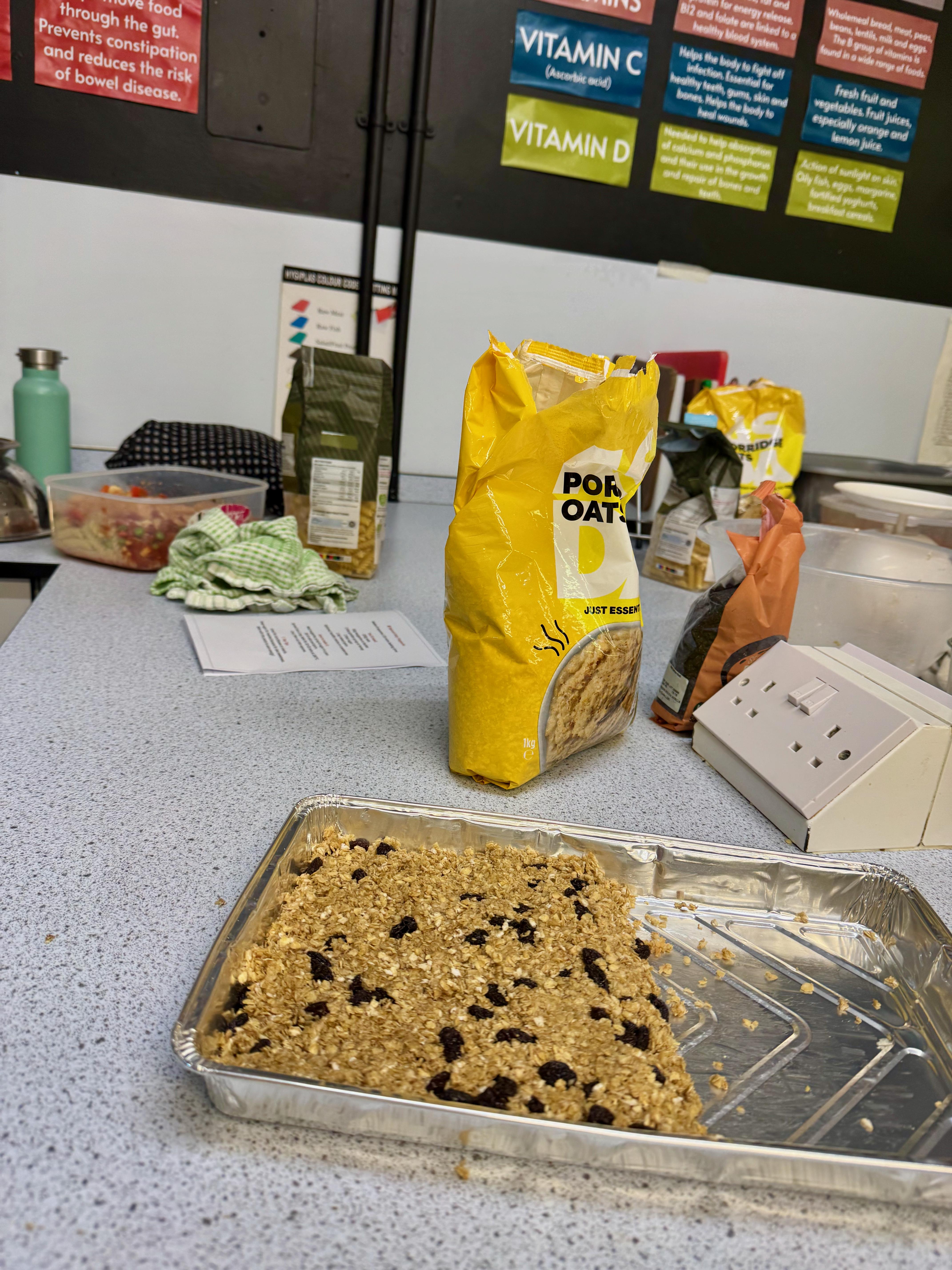
- Designed creative engagement with young people — activities such as baking flapjacks, colouring and shared games created low-pressure environments where children felt comfortable sharing their views.
- Developed and tested resources iteratively — although not part of the original commission, materials were trialled through Holiday Activities and Food (HAF) sessions and refined using feedback from young people, families and professionals.
Design Principle:
Engagement with young people works best in relaxed, activity-based environments — not formal consultation settings.
what changed
Although the programme is still underway, the approach has already shifted how insight informs the programme:
- Youth insight embedded in programme development — rather than relying on a short consultation phase focused mainly on professionals, young people’s perspectives are informing the programme throughout delivery.
- Voices from higher-need communities included — engagement through HAF provision, community hubs and schools has ensured the programme reflects the experiences of families navigating challenges such as food insecurity or Special Educational Needs.
- Resources grounded in lived experience — as a result, the programme’s materials are being shaped by the realities of the families they are designed to support.

 Rose Harvey & Co